Heavy construction equipment represents a significant investment, whether owned or rented. Regular maintenance ensures these machines operate safely, last longer, and deliver consistent performance.
Preventing Unexpected Breakdowns
Routine checks and servicing help catch issues before they become major problems. For example:
- Engine checks on generators ensure power sources stay reliable.
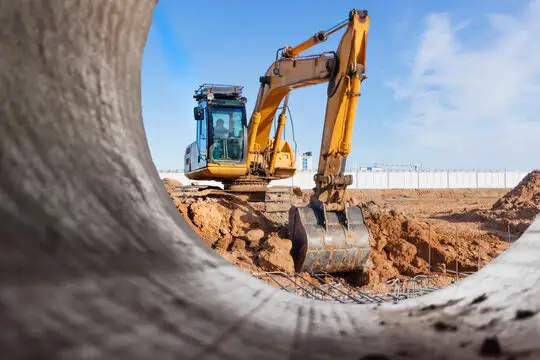
- Hydraulic inspections on excavators prevent costly failures during operation.
Improving Safety on the Job Site
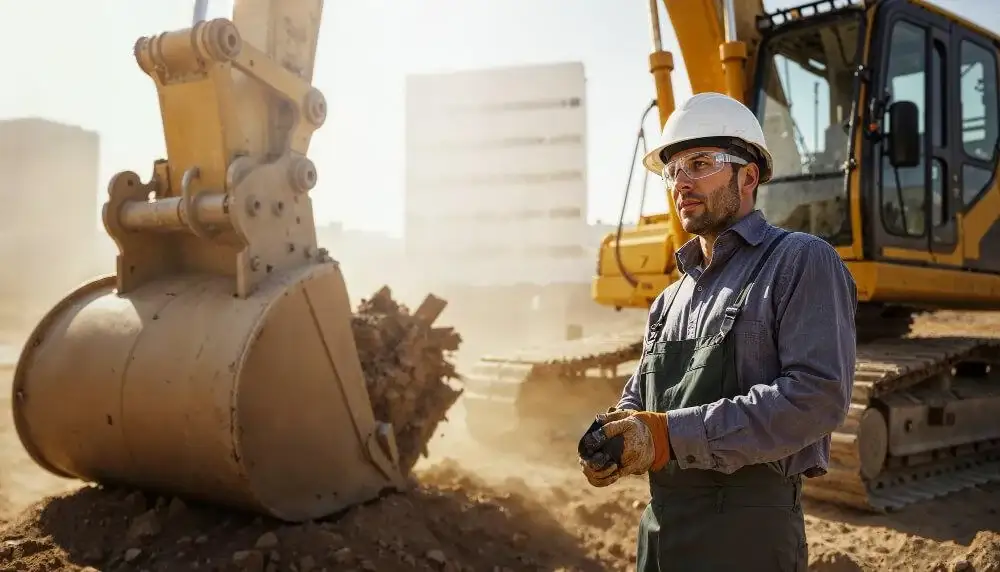
Well‑maintained equipment reduces the risk of accidents. Faulty brakes, worn tires, or broken lift systems can create unsafe conditions for operators and workers. A regular maintenance schedule promotes a safer workplace.
Increasing Equipment Longevity
Machines subjected to regular inspections and servicing tend to have a longer life cycle. This means better return on investment and fewer replacement expenses over time.
Reducing Downtime and Costs
Breakdowns cause project delays, which translate into lost time and higher rental costs. A proactive maintenance plan minimizes downtime, keeps projects moving, and controls unexpected expenses.
Best Practices for Equipment Maintenance
- Follow manufacturer's service intervals
- Keep detailed maintenance logs
- Train operators on daily machine checks
- Replace worn parts promptly
Conclusion, Maintenance isn’t optional, it’s essential. Whether managing your fleet or renting machinery, regular servicing enhances safety, efficiency, and profitability.